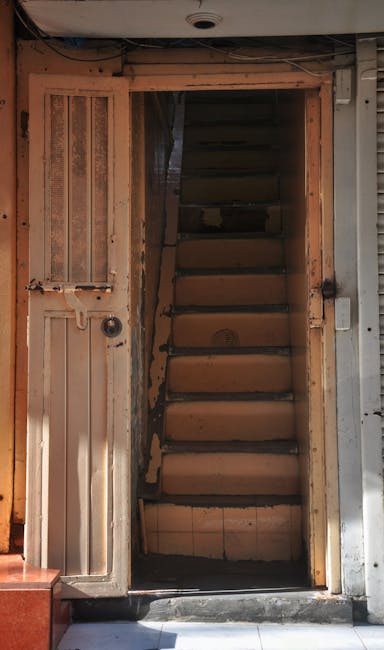
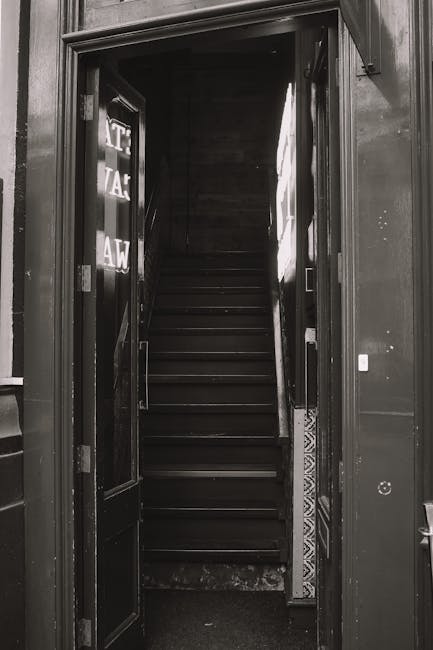
Wood Green removals for tight access properties: a practical guide for awkward homes, narrow entrances and tricky moves
If you are planning a move and already know the property is a bit awkward - a top-floor flat, a narrow staircase, a tiny courtyard, a shared entrance, or a road where parking is never straightforward - then Wood Green removals for tight access properties is exactly the kind of topic worth getting right early. These are the moves where good planning matters more than brute force. One missed measurement, one unguarded corner, one van parked two doors away instead of outside the building, and the whole day can feel harder than it should.
That does not mean the move has to be stressful. Far from it. With the right survey, sensible packing, proper equipment and a realistic plan for access, even an awkward move can be handled smoothly. In fact, many of the problems people worry about in Wood Green - basement flats, converted Victorian houses, maisonette stairwells, limited lifting space, or tight residential streets - are familiar to experienced local movers. The trick is understanding the access constraints before moving day arrives, not on the day itself.
This guide explains how tight-access removals work, what to prepare, what to avoid, and how to decide whether you need extra help, storage or specialist handling. If you also need somewhere to keep items before or after the move, it may help to look at self storage in Haringey, or browse the wider services overview to see which options fit your situation.
Table of Contents
- Why Wood Green removals for tight access properties Matters
- How Wood Green removals for tight access properties Works
- Key Benefits and Practical Advantages
- Who This Is For and When It Makes Sense
- Step-by-Step Guidance
- Expert Tips for Better Results
- Common Mistakes to Avoid
- Tools, Resources and Recommendations
- Law, Compliance, Standards, or Best Practice
- Options, Methods, or Comparison Table
- Case Study or Real-World Example
- Practical Checklist
- Conclusion
- Frequently Asked Questions
Why Wood Green removals for tight access properties Matters
Tight access changes everything. A standard removal can often rely on a simple process: park nearby, carry items out, load, and go. But with tight access properties, that neat little flow breaks down. You may be dealing with stairs that turn sharply, doors that do not open fully, shared hallways, low ceilings, no lift, limited kerb space, or a loading area that is technically available but not actually practical. To be fair, it is one of those situations where the property itself sets the rules.
Wood Green has a mix of housing styles, and that variety is what makes access planning so important. Flats above shops, purpose-built blocks, older terraces split into multiple units, and homes near busier roads can all present different moving obstacles. The wrong assumption - for example, that a sofa will fit through the front door because it "looked fine in the photos" - can create delays and damage very quickly.
It also matters because the cost of a move is not only about labour. If access is difficult, teams may need more time, more equipment, or a different vehicle setup. Sometimes the smartest solution is to reduce the amount of furniture being moved on the day, which is where temporary or short-term storage can be useful. For a quick holding option, take a look at short-term storage in Haringey; for longer moves or staged relocations, long-term storage in Haringey may make life a lot easier.
Key takeaway: tight access is not just a logistical detail. It affects timing, safety, cost, packing choices and whether some items should be moved separately. If you plan for it early, the move usually feels much calmer. And honestly, calmer is good.
How Wood Green removals for tight access properties Works
A good tight-access move starts with a realistic assessment. The most useful removals companies do not just ask how many rooms you have. They want to know about the route out of the property, the size of the stairs, whether there is a lift, whether a van can park close enough, and whether the entrance has any awkward turns or low headroom. Sometimes a quick video, a few photos, or a short survey is enough to flag the main issues.
From there, the process usually includes a few practical decisions:
- What can be moved whole, and what should be dismantled first?
- Which items need protection for corners, banisters or flooring?
- Will a smaller vehicle or shuttle run be easier than a large van?
- Do any belongings need to go into storage temporarily?
- Are there items too large or fragile for the available route?
In real terms, this is where a removals plan becomes a bit more like a route map. A big wardrobe may need to come apart. A fridge may need two people and specialist handling straps. A bulky armchair might be easy once the legs are removed. A narrow stairwell could mean moving one item at a time with a pause at the landing. None of that is unusual. In fact, it is often the difference between a messy day and a tidy one.
Some movers also build the job around the access point itself. For example, if the property is on a street where stopping outside is limited, the van may be stationed in a legal loading space and items carried a short distance. If parking is especially difficult, a smaller vehicle or multiple runs may be more efficient than trying to force one oversized lorry into the wrong place. Not glamorous, perhaps, but very effective.
If you are moving household items, a practical page like household storage in Haringey can help when the new home is not quite ready. For heavier pieces such as beds, wardrobes or dining tables, furniture storage is often the safer short-term choice.
Key Benefits and Practical Advantages
The main benefit of planning a tight-access move properly is simple: fewer surprises. That sounds almost too obvious, but in moving work, surprises are usually expensive. When access is mapped out beforehand, the crew can arrive with the right tools, the right vehicle and a sensible order of work.
Here are the advantages that matter most:
- Less risk of damage: careful route planning helps protect walls, floors, bannisters and furniture.
- Faster loading and unloading: once the awkward points are known, the move can be paced properly.
- Safer handling: fewer rushed lifts and fewer "we'll just squeeze it through" moments.
- Better cost control: accurate planning reduces avoidable delays and extra labour time.
- Lower stress: you are not finding out at the front door that the sofa needs to be carried out vertically, which is nobody's idea of fun.
There is also a softer benefit that people often overlook. Good access planning gives you confidence. You know the move has been thought through. You know the awkward stuff has already been discussed. That matters, especially if you are juggling work, family, school runs, or a tenancy deadline.
For business moves, the same logic applies. Tight access can affect office furniture, filing units, IT equipment and archive boxes. If that sounds familiar, you may want to compare it with business storage in Haringey or even document storage if paperwork needs to be kept secure during the transition.
Who This Is For and When It Makes Sense
This kind of removal is for anyone whose property is not easy to access in a straight line. That includes more people than you might think. A move can count as tight access even if the home itself is not especially small. The challenge might be the route, not the room size.
Common examples include:
- top-floor flats with narrow staircases
- basement or lower-ground floor homes
- properties in converted houses with split-level landings
- homes with steep or narrow external paths
- roads with restricted stopping or awkward parking
- properties with shared entrances, coded doors or limited lift access
- homes with bulky furniture that will not turn cleanly at corners
It also makes sense if you are moving at a busy time, such as the end of a tenancy, a student changeover, or a same-day exchange and completion. In those situations, even a small access issue can snowball. A delayed van, a fragile item that takes longer to move, or a piece of furniture that must be dismantled on the spot can push everything back.
Students often run into this in Wood Green and nearby parts of Haringey, especially if they are moving into older flats or shared houses. If that sounds like you, the guidance on student storage in Haringey can be very useful for splitting the move into smaller, more manageable parts.
Truth be told, if you are already thinking "this might be awkward," you are probably right. That instinct is worth listening to.
Step-by-Step Guidance
If you want a move to feel controlled rather than chaotic, break it down into a sequence. That approach works especially well for awkward access properties, because the problems are usually mechanical and practical, not mysterious.
1. Measure the actual route, not just the rooms
Measure door widths, stair turns, landings, ceiling heights and any narrow garden or side passages. Do not forget radiators, banisters, light fittings and awkward corners. A tape measure and a quick phone video are both very useful here. A wardrobe that fits "technically" may still be impossible to carry if it catches at the landing.
2. Identify the largest or most difficult items first
Make a short list of the pieces most likely to cause trouble. Sofas, beds, dining tables, wardrobes, American-style fridges, safes and exercise equipment are common culprits. Once those are flagged, you can decide whether they need dismantling, extra protection, or a different route.
3. Decide what can be packed separately or stored
If the property is especially cramped, it can help to move some belongings in stages. This is where storage becomes more than a convenience. It can be part of the access strategy. A few boxes, seasonal items, spare furniture and non-essentials can go into storage before moving day, leaving only the important pieces for the main removal. If security is on your mind, have a look at secure storage options in Haringey.
4. Confirm parking and loading arrangements
Parking can make or break a tight-access move. Check whether you need a permit, whether there are yellow lines, whether the road is one-way, and whether the loading point is realistic for the van size being used. In some streets, a slightly smaller van saves far more time than a larger one would. Small detail, big impact.
5. Prepare the property for safe movement
Protect floors, remove trip hazards, tape down loose cables and keep hallways clear. If possible, open doors wide before the team arrives. A few minutes of prep can prevent scuffed walls and awkward pauses. You know the sort of thing - someone balancing a mattress while asking where the tape is. Best to avoid that scene.
6. Load in the right order
Heavier items and solid furniture should generally be loaded in a planned sequence so they do not block fragile goods. The team should also keep the tight-access route clear, especially if only one person can pass at a time. That slows things down a little, but it is the sensible way to do it.
7. Check the delivery setup at the destination
Do not assume the new property will be easier. Sometimes it is worse. A quick look at stairs, parking, lift size and access codes at the new address can save you a second round of headaches. Moving is rarely one-sided, sadly. It likes to keep you honest.
Expert Tips for Better Results
Experienced movers tend to focus on details that non-specialists miss. These are not flashy tricks. They are the quiet habits that make a job go well.
- Photograph the access route: a few clear pictures of doorways, stairs and parking give far more context than a text message alone.
- Label items by room and fragility: this keeps unloading calmer when space is limited.
- Dismantle before moving day where possible: do not leave a large bed frame to be stripped down in a hallway unless you absolutely have to.
- Use proper protectors: furniture blankets, corner guards and floor runners are worth it in tight spaces.
- Leave one clear path: it sounds obvious, but people often fill hallways with "just one more box." That box always seems to appear at the worst moment.
- Keep essentials separate: kettle, chargers, documents, medication, keys and a change of clothes should not be buried under random cushions.
One small but useful point: if you are dealing with a property that has both access issues and items to store, think about sequencing. Move the bulkier furniture first, then use storage for the items you do not urgently need. It creates breathing room, which makes the whole thing feel less crammed.
For a transparent overview of costs and what is usually included, it can help to review the pricing and quotes information before you commit. You do not need to know every detail in advance, but you should know what affects the final figure.
Common Mistakes to Avoid
The most common mistakes in tight-access removals are surprisingly predictable. The good news is they are avoidable if you are willing to slow down a little before the move.
- Assuming the biggest item will "just fit": a few centimetres can matter a lot when corners are involved.
- Ignoring parking restrictions: if the van cannot stop safely, the whole schedule can slip.
- Leaving packing until the last minute: rushed packing and difficult access are a bad mix.
- Forgetting about stairwell damage: narrow internal stairs can take a beating unless protected properly.
- Not checking the new property: people often focus only on the old home, then discover the new one has equally awkward access.
- Overfilling boxes: this makes lifting harder and increases the risk of breakages.
A quieter mistake is under-communicating. If the access is awkward, say so plainly. If a sofa has to turn on its side, mention it. If there is a locked gate, a buzzer, or a tight entrance shared with neighbours, bring it up early. No one benefits from pleasant surprises that turn out not to be pleasant at all.
And yes, some people do try to "wing it." Usually they regret it by lunchtime.
Tools, Resources and Recommendations
You do not need specialist kit for every move, but certain tools make tight-access removals much easier. If you are doing any prep yourself, these are the basics worth considering:
- Measuring tape: for doorways, stair width and furniture dimensions
- Furniture blankets: to protect wood, leather and painted surfaces
- Corner guards: helpful in hallways and tight turns
- Removal straps or lifting straps: useful for balanced carrying on awkward items
- Strong tape and labels: for organising boxes and dismantled parts
- Plastic covers or mattress bags: particularly useful in wet weather or dusty stairwells
- Hand trolley or sack truck: not always practical indoors, but useful for straight runs
As a practical recommendation, keep a small "access pack" ready on moving day. Include door keys, permits, phone chargers, basic tools, bin bags, snacks and water. It sounds like a tiny thing, but when you are juggling a stairwell and a van driver asking where to park, having the right bits to hand is a relief.
If you need a more complete view of the company and its service scope, the about us page and the contact page are both sensible starting points. For a direct next step, you can also use the request a quote form when you are ready to compare options.
Law, Compliance, Standards, or Best Practice
For removals, the most relevant point is less about formal legislation and more about good practice, safety and sensible responsibility. If a move involves shared access, public pavements, parking restrictions or loading in a busy street, the team should work within local parking and traffic rules and avoid blocking access for neighbours. That is not just polite; it is part of doing the job properly.
Health and safety best practice also matters. Heavy lifting, sharp corners, loose cables, wet surfaces and cramped stairwells can all create risks. A responsible removals process should include safe manual handling, suitable footwear, clear communication between movers, and care for the property being moved through. If the property is especially awkward, extra caution is the right call, not an overreaction.
When storage is part of the move, it is sensible to check how items are protected and what the terms cover. The pages on insurance and safety and health and safety policy are useful for understanding the standards behind the service. If you are comparing payment methods or want to understand how bookings are handled, payment and security is worth reading too.
For environmentally minded moves, there is also the practical matter of waste and unwanted items. Reuse and recycling are usually the first places to look before disposal, especially if a tight-access move has prompted you to downsize. A sensible overview is available on the recycling and sustainability page. Small choices help. They really do.
Options, Methods, or Comparison Table
There is no single best way to handle a tight-access move. The right method depends on the property, the furniture and the timing. This comparison can help you think it through.
| Approach | Best for | Advantages | Limitations |
|---|---|---|---|
| Standard van move | Access is awkward but still manageable | Simple, cost-effective, suitable for smaller loads | May struggle with parking or larger items |
| Smaller vehicle with multiple runs | Narrow streets, limited stopping space, small loads | Easier to park, more flexible in tight roads | Can take longer overall |
| Part-dismantled furniture move | Large furniture with difficult corners or stair turns | Reduces risk of damage, improves fit | Needs tools and more setup time |
| Storage-assisted move | Staged relocation, renovation, delayed completion | Takes pressure off access and timing | Needs extra planning and two-stage handling |
In practice, many real moves use a mix of these methods. For example, a two-bed flat with a narrow staircase might use dismantling for the largest furniture, a smaller van for access, and storage for surplus items that do not need to arrive on day one. That combination is often more efficient than trying to force a one-size-fits-all solution.
Case Study or Real-World Example
Imagine a couple moving out of a first-floor flat in Wood Green. The building has one narrow staircase, a shared entrance, and parking on the street is limited to short stays. They have a bed frame, two wardrobes, a dining table, several boxes, and a sofa that looks manageable until you stand at the landing and realise it needs a very particular angle.
Rather than waiting until moving day, they measure the route a week in advance and send photos of the stairs, the front door and the parking area. They decide to dismantle the wardrobes and bed frame before the crew arrives. One set of boxes containing seasonal items goes into short-term storage, which reduces clutter in the hallway. On the day, the vehicle is positioned where it can legally load without blocking the entrance, and the move runs in a clear sequence: protect the route, remove the bulky items first, then load the boxed items.
The move is still a bit physical, of course. Tight access is tight access. But it is controlled, calm enough, and there is no last-minute panic over whether the sofa will fit through the door. That is the real win. Not perfection. Just a move that behaves itself.
Practical Checklist
Use this checklist a few days before moving day. It is simple, but it catches a lot of avoidable problems.
- Measure all key doorways, stair turns and landings
- Check whether large furniture needs dismantling
- Confirm parking, loading and any permit requirements
- Take photos of the access route and share them if needed
- Protect floors, walls and corners where contact is likely
- Pack an essentials box with keys, chargers, documents and water
- Label boxes clearly by room and priority
- Decide whether any items should go into storage first
- Keep hallways and entrances clear on moving day
- Double-check access at the new property as well as the old one
If you can tick most of those off, you are already ahead of the curve. Seriously, that is half the battle.
Conclusion
Wood Green removals for tight access properties are all about planning, patience and the right mix of practical support. Narrow stairs, limited parking, shared entrances and awkward furniture are not unusual problems, but they do demand a more considered approach than a standard move. When you measure properly, prepare the route, and make smart decisions about dismantling or storage, the day becomes much more manageable.
The best outcome is not just getting everything from A to B. It is getting there without damage, without unnecessary stress, and without that sinking feeling that something important was overlooked. If you are at the point of comparing options, a clear quote and a quick discussion about access can save you a lot later on.
Get a free quote today and see how much you can save.
And if you are still in the planning stage, that is fine too. Take a breath, measure the doorway once more, and move one step at a time. It usually works out better that way.
Frequently Asked Questions
What counts as a tight access property for removals?
A tight access property is any home or building where moving furniture in and out is harder than average. That can mean narrow stairs, small doorways, awkward corners, poor parking, shared entrances or no lift. It is not only about the size of the property, but about the route through it.
How do I know if my furniture will fit through the stairs or door?
Measure the furniture and the route carefully, including the height, width and turning space at landings. If a piece only fits on paper but not in a real carry path, it may still be a problem. Photos and a short video are often useful for judging difficult angles.
Should I dismantle furniture before a tight-access move?
Yes, often you should. Beds, wardrobes, tables and some sofas are much easier to move once broken down into parts. It also reduces the chance of damage to walls and doorframes. If you are unsure, ask the removals team before doing anything irreversible.
Is it worth using storage for a move with awkward access?
Often, yes. Storage can reduce the amount of furniture and boxes that need to pass through the tightest parts of the property. It is especially useful if you are moving in stages, waiting for completion, or decluttering before the move.
Do tight access moves cost more?
They can, because they may take longer and need extra handling or equipment. The actual cost depends on access, distance, volume and whether anything needs dismantling or storage. The best way to get a realistic figure is to request a quote based on the real access conditions.
What should I tell the removals company before moving day?
Tell them about stairs, parking, lifts, narrow entrances, heavy items, fragile items, and anything that might slow the move down. Clear information early helps the team plan properly and avoid delays. It is one of those things that feels obvious only after you have forgotten it.
Can a large van still be used for a narrow street in Wood Green?
Sometimes, but not always. A larger van can be fine if parking and turning space are available, yet a smaller vehicle may be better where streets are restricted or stopping space is limited. The right choice depends on the exact road and property access.
What if the move-out property is difficult, but the new one is easy?
That is very common. In that case, the move should be planned around the more difficult property first. The awkward side usually determines the pace, the vehicle choice and whether furniture needs dismantling or storage.
How do I protect walls and banisters in a narrow stairwell?
Use furniture blankets, corner guards and floor protection where needed, and make sure the route is clear before lifting begins. A careful team will move slowly around turns and communicate clearly when passing difficult spots.
Can I manage a tight-access move myself?
For a very small move, possibly. But if you have heavy furniture, multiple floors, parking restrictions or awkward stair turns, professional help is usually worth it. One badly judged lift can cost more than the whole job would have done properly.
What is the best way to prepare boxes for a difficult move?
Use small to medium boxes for heavy items, avoid overpacking, and label each box clearly. Keep weight manageable so boxes can be lifted safely through narrow spaces. It helps more than people expect.
Where can I find more information about storage and moving support?
You can review the wider services overview, look at self storage options in Haringey, or use the quote request form if you are ready to discuss your move in more detail.