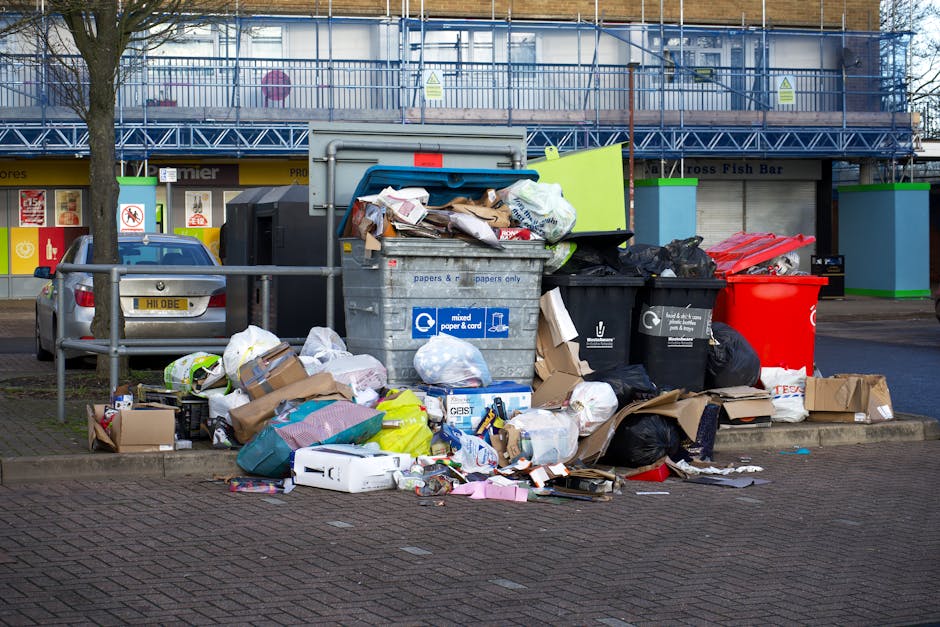
Haringey council waste duty for household removals
Moving house in Haringey can feel like a race against the clock. Boxes everywhere, furniture half-dismantled, and a growing pile of things you no longer want in the hallway. In that moment, the Haringey council waste duty for household removals stops being a dry policy phrase and becomes a very practical question: what can you leave, what must you arrange, and who is responsible for getting it done properly?
This guide explains the duty in plain English. We will look at how household removal waste is typically managed, what Haringey residents should watch out for, and how to avoid the sort of mistakes that lead to fly-tipping complaints, delays, or last-minute stress. If you are planning a move, clearing a flat, or dealing with unwanted bulky items, this should help you make sensible decisions without overcomplicating it. Truth be told, most problems come from simple misunderstandings, not bad intentions.
Table of Contents
- Why Haringey council waste duty for household removals Matters
- How Haringey council waste duty for household removals Works
- Key Benefits and Practical Advantages
- Who This Is For and When It Makes Sense
- Step-by-Step Guidance
- Expert Tips for Better Results
- Common Mistakes to Avoid
- Tools, Resources and Recommendations
- Law, Compliance, Standards, or Best Practice
- Options, Methods, or Comparison Table
- Case Study or Real-World Example
- Practical Checklist
- Conclusion
- Frequently Asked Questions
Why Haringey council waste duty for household removals Matters
When people talk about waste duty during a move, they usually mean the responsibility to handle household items, rubbish, and unwanted belongings in a lawful, tidy, and neighbour-friendly way. That sounds simple enough. In practice, removals often create mixed waste streams: broken furniture, packaging, old bedding, appliances, damaged boxes, and the odd mystery item from the back of a cupboard.
Haringey, like any London borough, has a strong interest in keeping streets clear and preventing fly-tipping. That matters not just for the council, but for residents too. If waste is dumped on a pavement, left beside a bin store, or put out in the wrong way, it can create an immediate nuisance. You will notice it quickly on a busy street: overflowing bags, cardboard catching the wind, that unmistakable smell when food waste has mixed in. Nobody wants that near a home move.
For households, the practical point is this: the duty is about making sure your unwanted items are dealt with properly rather than assumed away. Whether you are leaving a rental, selling a family home, or downsizing, the council expects waste to be managed in line with local rules and general UK waste obligations. A little care here can save a lot of hassle later.
Key takeaway: if your removal creates waste, the safest approach is to plan it early, separate reusable items from rubbish, and use a lawful route for disposal. That way, your move stays cleaner, quicker, and far less stressful.
How Haringey council waste duty for household removals Works
At a practical level, the process usually breaks down into three questions: what is waste, who is responsible, and how should it be removed? The answer depends on the item and the circumstances, but the framework is straightforward enough.
1. Separate what can be kept, reused, or donated
Before anything goes out, it helps to sort the contents room by room. Keep essentials, set aside reusable items, and identify anything that is broken, contaminated, or simply not worth moving. This step matters because many removal delays come from leaving sorting until the van is already at the door. And then, naturally, the box marked "miscellaneous" becomes the biggest problem of all.
2. Distinguish removals from waste disposal
A removals service transports belongings. Waste collection or clearance deals with items that are no longer wanted. The overlap is where people get confused. For example, a wardrobe may be moving to the new property, but the smashed bedside table is waste. A service provider may help with both, yet the responsibilities should be clear before moving day.
3. Choose the right disposal route
Depending on the item, disposal might involve household waste collection, bulky item handling, licensed clearance, or a combination of storage and staged removal. If your move is complex, you may need short-term storage while you decide what to keep. That can be much easier than making rushed decisions on the curb with the estate agent waiting outside.
4. Keep items contained and traceable
Waste should not be left loose on public land or placed where it could blow around. Bag it, box it, or stack it safely. Good practice also means keeping records or proof of what you arranged, especially where a third party handled the clearance. If something goes wrong, a paper trail helps.
For many residents, a service mix can be more efficient than trying to do everything in one go. A local removals team may move the items you are keeping, while a separate clearance approach handles the old furniture and unwanted household bits. Services such as removals, house removals, and removals and storage can be useful when the timetable is tight or the property chain is messy.
Key Benefits and Practical Advantages
Handled properly, the waste side of a home move becomes much less of a burden. That is the real benefit. Not abstract compliance. Actual relief.
- Less last-minute stress: you avoid scrambling to decide what fits in the van and what needs a separate solution.
- Cleaner handover: leaving a property tidy is especially important for rentals, shared homes, and sale completions.
- Lower risk of disputes: clear responsibility means fewer arguments about abandoned items or who was supposed to remove them.
- Better use of space: storage gives you breathing room when you are not ready to part with everything in one sweep.
- More efficient moving day: when waste is dealt with beforehand, the removals crew can work faster and the whole day feels calmer.
- Reduced fly-tipping risk: using a lawful, organised route protects you from the fallout of items being dumped improperly.
There is also a less obvious benefit: decision quality. When people rush, they move too much junk. That means extra lifting, extra cost, and more clutter at the new place. A better system is often the cheaper one in the long run, even if it feels like one more task at first.
If you are trimming down before a move, options like short-term storage, household storage, and furniture storage can keep good items safe while you decide what stays and what goes. A bit of breathing room goes a long way.
Who This Is For and When It Makes Sense
This topic matters to more people than you might think. It is not just for landlords or removal firms. If you live, move, rent, own, manage, or clear property in Haringey, there is a good chance you will need to think about it at some point.
Homeowners
Homeowners often face the biggest clear-out because years of stored items come to light during a sale or renovation. The spare room suddenly reveals itself as a museum of old lamps, broken chairs, and half-used paint tins. Sound familiar?
Tenants
Tenants usually need to leave the property in a clean and reasonably clear condition, subject to the tenancy agreement and the landlord's expectations. The key is to leave no uncertainty about what remains and what has been taken away.
Families downsizing
Downsizing is emotionally awkward as well as practical. You may have to choose between keeping sentimental pieces and clearing enough space to make the move realistic. Storage can be especially useful here because it gives you time to think.
Flat movers
In Haringey, flats and maisonettes bring their own challenges: limited lift access, tighter stairwells, parking restrictions, and fewer places to stage waste. A small mistake can turn into a big delay, especially if the item is bulky and the hallway is narrow.
People dealing with inherited property
Clearing a relative's home can be overwhelming. In those cases, the waste duty is not just logistical. It can also be sensitive. Sorting what to keep, donate, sell, or dispose of should be done carefully, and not always quickly.
Where the move is local and the load is modest, a man and van or local removals option may be enough. If there are only a few bulky items, small removals can often be more sensible than paying for capacity you do not need.
Step-by-Step Guidance
If you want the waste side of a removal to run smoothly, it helps to follow a simple sequence. Nothing fancy. Just a proper order.
- List everything in the property. Walk each room and note what is staying, going, being stored, or disposed of.
- Identify bulky items early. Sofas, wardrobes, mattresses, dismantled beds, broken appliances, and garden bits all take planning.
- Check access and timing. Measure doorways, stairs, lifts, and parking arrangements. A sofa does not magically shrink in a narrow landing.
- Decide on disposal routes. Separate items that can be reused, sold, recycled, or cleared as waste.
- Book the right service mix. Combine removals, storage, or packing support as needed.
- Pack waste separately. Keep rubbish away from good items to avoid contamination and accidental disposal of something important.
- Label clearly. Mark boxes and items so nobody takes the wrong thing.
- Confirm what will be left behind. Before handing over the keys, do a final sweep of cupboards, loft areas, and under beds.
- Keep evidence if needed. If a third party handled the clearance, hold onto confirmation, receipts, or written details.
A good move usually feels boring in the best possible way. Calm. Ordered. A bit unglamorous. That is exactly what you want.
For households managing a bigger transition, packing support can remove a surprising amount of pressure. A service like packing services can help protect fragile goods and keep the boundary between valuables and waste much clearer.
Expert Tips for Better Results
In our experience, the difference between a smooth move and a messy one is rarely the size of the property. It is usually the decisions made a week or two before the van arrives.
Plan around the worst access point, not the best-case fantasy
If the lift breaks, the parking space is blocked, or the weather turns grim, will your plan still work? Build in a little slack. London moves are rarely perfect, and Haringey is no exception.
Separate sentimental items early
People often leave this until the last minute, then pause for too long over a box of family photos or a battered armchair that "might come in useful". Put those aside before the hard deadline. You will think more clearly.
Be careful with mixed loads
A mixed load can create confusion if one person assumes everything is going, while another expects some of it to be stored. Clear labels and a short written list can prevent that awkward mid-move conversation no one enjoys.
Think about sustainability without making it complicated
Not every old item should be thrown away just because it is old. If it can be reused, repaired, or recycled, that is usually the better option. The aim is not perfection; it is sensible handling. The page on recycling and sustainability is a helpful reminder that better disposal choices can also be more practical.
Use storage as a pressure valve
If completion dates shift, or you are waiting for decorators, storage can stop the whole move from becoming a juggling act. Self storage and secure storage are especially useful when you need space, safety, and time to make decisions properly.
And yes, sometimes the smartest move is simply to stop trying to do everything in one day. A bit annoying? Maybe. But far better than rushing and regretting it later.
Common Mistakes to Avoid
Most removals problems are ordinary mistakes, not dramatic disasters. The good news is that ordinary mistakes are usually fixable once you spot them.
- Leaving waste sorting until the day of the move: this creates confusion and slows everyone down.
- Assuming bulky items can be "sorted later": later usually means never, or at least not before the keys are handed over.
- Mixing waste with goods to be kept: one accidental disposal can be expensive and upsetting.
- Not checking building rules: flats, estates, and managed properties often have specific access or disposal expectations.
- Forgetting packing materials: loose cardboard, wrapping, and tape can create a surprising amount of mess.
- Using an unsuitable vehicle: overfilling the wrong van can lead to delays and repeat trips.
- Ignoring storage needs: if your dates do not line up, the whole move can get untidy fast.
One particularly common slip is treating all household clearances the same. A light declutter, a partial move, and a full end-of-tenancy clearance are not identical jobs. They need different levels of planning. Simple, yes. Obvious, not always when you are exhausted and surrounded by boxes.
Tools, Resources and Recommendations
You do not need fancy tools to manage removal waste properly, but a few practical items make life easier.
- Marker pens: label every box clearly. No mystery boxes, if possible.
- Heavy-duty bags: useful for small waste streams and general packing debris.
- Furniture blankets and straps: protect reusable items while separating them from rubbish.
- Basic tape measure: helpful for doorways, lifts, and furniture dimensions.
- Inventory list: even a simple notes app works for tracking what stays and what goes.
- Storage quote: if you are undecided, compare storage options before choosing the fastest disposal route.
It also helps to know which services are best matched to your situation. A full house move is not the same as a flat clearance, and neither is the same as moving one room's worth of items. If you are deciding between quick transport and staged relocation, the pages for flat removals and house removals can help you compare the practical shape of the job before you book anything.
For smaller, tighter moves, household storage or long-term storage can keep the pressure off. For business users moving files or archived items alongside home contents, document storage and business storage may be useful as well.
Law, Compliance, Standards, or Best Practice
This part deserves a careful tone. Waste handling during removals is not something to improvise. While the exact route depends on the item and the circumstances, best practice in the UK is clear: waste should be stored, transported, and disposed of responsibly, and you should avoid leaving it in a way that causes nuisance or unlawful dumping.
In practical terms, that means using sensible handling, checking what the receiving service will actually take, and not assuming someone else has responsibility just because they touched the item. If a vehicle is used for clearance, the load should be secured. If items are left for collection, they should be placed where instructed and in a condition that does not create risk to people or property.
Household removals also intersect with building rules and local access rules. This can include parking arrangements, loading bay restrictions, timing windows, or estate management requirements. If the move is in a busy part of Haringey, those details are not minor. They are the difference between a smooth handover and a grumpy phone call in the street.
Where there is any uncertainty about what should happen to a particular item, treat it cautiously. If in doubt, keep it back, label it clearly, and ask for clarification before it is removed. That approach is slower by a minute or two, but safer by miles.
For related local moving issues, these guides are especially useful: Haringey temporary loading bay rules for removals, Haringey council parking permit rules for removals, and Haringey council skip and waste rules for removals. They sit nicely alongside this topic and help fill in the local picture.
Options, Methods, or Comparison Table
There is no single right method for every household removal. The best choice depends on how much you are moving, how much needs clearing, and how quickly you need the work done.
| Option | Best for | Pros | Trade-offs |
|---|---|---|---|
| Full removals service | Whole-house or larger flat moves | Efficient, coordinated, fewer moving parts | May be more than you need for a small job |
| Man and van | Smaller moves or lighter loads | Flexible, practical, often quicker to arrange | Less suitable for large furniture sets |
| Storage plus removals | Uncertain timelines or downsizing | Gives breathing room and avoids rushed decisions | Adds an extra step and may split the move |
| Targeted bulky-item clearance | Old furniture or isolated waste items | Simple, focused, often cost-efficient | Not ideal if you are moving many items too |
| Packed-and-categorised move | Mixed household contents with waste to separate | Cleaner, safer, easier to track belongings | Takes a bit more planning up front |
If you are unsure, ask a simple question: do I need transport, clearance, storage, or all three? That question alone clears up more confusion than any glossy brochure ever will.
Case Study or Real-World Example
Consider a common Haringey scenario. A family in a first-floor flat in Muswell Hill is moving into a larger place nearby. Over the years, they have collected two wardrobes, a broken office chair, several sacks of old clothes, three boxes of kitchen bits, and a sofa that is still usable but too big for the new lounge.
At first glance, it looks like a single removals job. Then the details emerge. The sofa needs to go into storage until the new place is ready. The broken chair is waste. Some kitchen items can be donated. The old clothes should be sorted separately. And the flat has a narrow staircase, which means larger items need careful handling. Not impossible, just fiddly.
They split the job into three parts: keep, store, dispose. The sofa goes with a storage plan, the unwanted items are separated in advance, and the packing is finished two days before moving day rather than two hours before. On the day itself, the load is lighter, the hallway stays clearer, and there is less stress when the lift is already in use by another resident. Small win, but a real one.
That kind of planning is exactly why the waste duty side matters. It stops the move from becoming one giant pile of decisions. And moving days are already weird enough without adding chaos on top.
Practical Checklist
Use this checklist before moving day. It keeps things tidy, and honestly, it stops the classic "where did that box come from?" panic.
- Make a room-by-room list of items to keep, store, sell, donate, or discard.
- Identify bulky items early and measure access routes.
- Confirm parking, loading, or building restrictions.
- Set aside waste separately from valued items.
- Label every box or item clearly.
- Decide whether you need storage, packing help, or a smaller vehicle.
- Check that appliances and furniture are safe to move.
- Keep any key documents, keys, and essentials in one place.
- Do a final sweep of cupboards, lofts, under beds, and storage corners.
- Make sure nothing is left on common land, pavements, or shared areas.
Quick summary: the more clearly you sort the home before the van arrives, the easier Haringey council waste duty for household removals becomes in practice. Less confusion, less lifting, less risk. Simple as that.
Get a free quote today and see how much you can save.
Conclusion
Haringey council waste duty for household removals is really about responsible planning. Once you understand what counts as waste, what should be kept or stored, and how to manage the final clear-out properly, the whole process becomes much easier. That is the main thing. Not perfection. Just control.
If you are moving within Haringey or out of the borough, the smartest approach is usually to sort early, use the right support, and avoid leaving disposal decisions until the very last minute. A bit of structure now can save a lot of stress later, especially in a busy London move where access, parking, and timing all matter.
And if you are standing in the middle of the room wondering how you accumulated so much stuff, well, you are not alone. It happens to the best of us.
A careful move is never just about getting things from A to B. It is about leaving behind only what should be left behind, in the right way, with as little fuss as possible. That is a good feeling, and a clean one too.
Frequently Asked Questions
What does Haringey council waste duty for household removals actually mean?
It refers to the practical responsibility of making sure household waste created during a move is handled lawfully and sensibly. That includes sorting items, choosing the right disposal route, and avoiding unsafe or unlawful dumping.
Do I need to remove all waste before I move out?
In most cases, yes, you should leave the property clear of your belongings and any waste you are responsible for. The exact expectations may depend on your tenancy, sale agreement, or building rules, but leaving rubbish behind is rarely a good idea.
Can I leave unwanted items by the pavement for collection?
Only if they are placed in a way that follows the relevant collection arrangement. Otherwise, leaving items on the pavement can create a nuisance and may be treated as fly-tipping or an abandoned waste issue.
What should I do with furniture I do not want to keep?
If the furniture is reusable, consider storage, donation, or resale. If it is damaged or unusable, arrange a lawful clearance route. Large items often need more planning than people expect.
Is a man and van service enough for a household removal?
It can be, especially for smaller moves or lighter loads. If you also have unwanted furniture, waste, or items going into storage, you may need a more tailored approach.
How do I know whether something is waste or something to store?
Ask whether you genuinely intend to use it again. If the answer is uncertain, storage may be the safer short-term choice. If it is broken, contaminated, or clearly unwanted, it is probably waste.
What happens if I leave rubbish behind in a flat?
It can lead to complaints, cleaning charges, delays in handover, or further action depending on the property and agreement. The cleanest route is always to clear it before leaving.
Are storage services useful during removals?
Yes, very often. Storage is especially helpful when dates do not line up, when you are downsizing, or when you are not ready to make immediate decisions about every item.
How can I reduce waste before moving day?
Sort early, donate what is usable, recycle where appropriate, and avoid packing items you already know you will not keep. The earlier you start, the less waste you create at the end.
Do flats in Haringey need extra planning for waste and removals?
Usually, yes. Flats often involve stairs, shared access, parking limits, and tighter loading windows. That makes access planning and waste sorting even more important.
What is the best way to avoid mistakes with removal waste?
Separate items clearly, label everything, confirm access rules, and book the right service for the size of the job. If there is any doubt, keep the item back until it is clarified. A tiny pause now can save a mess later.
Can I combine removals and storage in one plan?
Absolutely. In fact, many household moves work better that way. Combining transport and storage often reduces pressure, especially if the new place is not ready yet or you are sorting through a lot of belongings.