Haringey Council Parking Permit Rules for Removals: A Practical Guide for a Smoother Move
If you are moving house, shifting office furniture, or arranging a same-day van job in north London, the parking side of the move can be the bit that quietly causes the most stress. Haringey council parking permit rules for removals can affect where the van stops, how long it can stay, and whether you need to sort permission in advance. Miss that piece and the whole day can feel harder than it should. Truth be told, most moving jobs are simple until the vehicle has nowhere legal to wait.
This guide breaks the topic down in plain English. You will learn how removal parking permissions usually work, what to check before moving day, which mistakes catch people out, and how to plan a cleaner, calmer move. If you are coordinating a local move, a flat clearance, or a business relocation, it is worth thinking about parking early. The difference between a tidy plan and a scramble on the pavement at 8:15am is surprisingly big.
Why Haringey council parking permit rules for removals matters
Parking is not just a convenience issue during a move. In many London streets, it is the difference between a fast, controlled loading process and a long, awkward chain of carrying boxes from several doors away. That adds time, effort, and a bit of friction you do not need on an already busy day.
For removals, the parking permit question matters because a removal vehicle often needs to stop close to the entrance, sometimes for longer than a standard quick drop-off. If your van, lorry, or support vehicle is parked without the right permission, you risk disruption, complaints from neighbours, or even enforcement problems. Nobody wants to juggle a sofa while wondering whether a parking officer is turning the corner.
It also matters because parking affects everyone else involved: movers, drivers, neighbours, building managers, and the person whose belongings are being loaded. A well-planned parking arrangement reduces noise, time on site, and repeated trips through tight hallways or narrow front steps. That is especially important in Haringey, where residential streets can be busy, compact, and not always forgiving for larger vehicles.
Expert summary: If your removal vehicle needs to stop somewhere restricted, do not treat parking as an afterthought. Confirm the local rules, identify the exact loading spot, and allow time for permit or suspension arrangements if needed. That one step often saves the most hassle.
How Haringey council parking permit rules for removals works
In practice, removal parking rules usually revolve around three things: where the vehicle can stop, for how long, and whether a permit, dispensation, or temporary parking arrangement is needed. The exact details depend on the street, the bay markings, any resident permit zone, loading restrictions, and the type of vehicle involved.
For a domestic move, you may be dealing with a house removals job, a flat removals job, or a smaller van for a local move. Each scenario can trigger a different parking approach. A small van may fit into a loading area that a larger lorry cannot. A lift-and-shift move from a top-floor flat may require longer standing time than a quick ground-floor removal. Small detail, big impact.
Here is the simplest way to think about it:
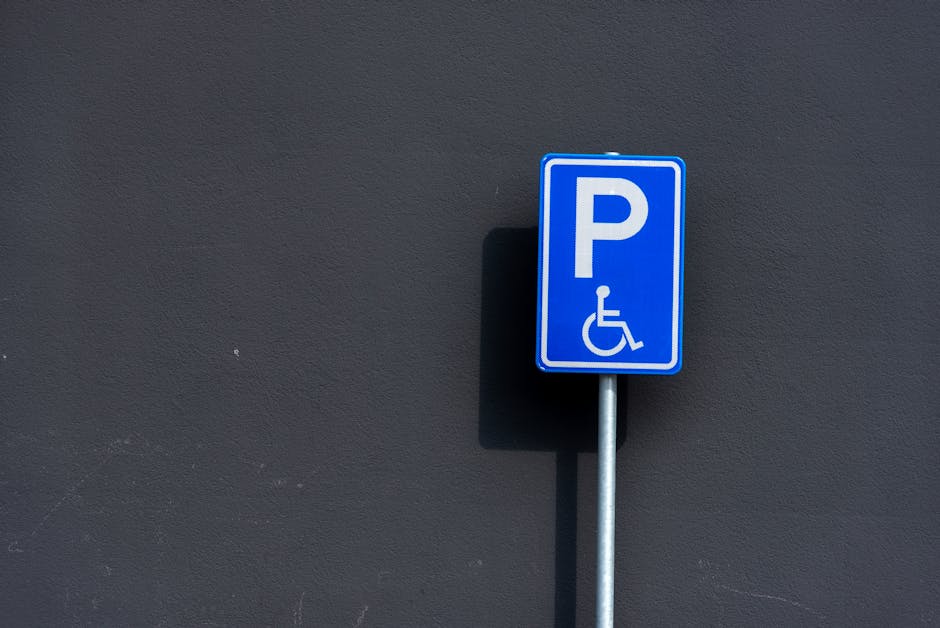
- Check the street first. Look at the bay signs, yellow lines, resident zones, and any loading-only markings.
- Decide what the vehicle needs to do. Is it only stopping briefly, or will it be loading for a long period?
- Match the vehicle size to the space. Larger vehicles usually need more thought, especially on narrow roads.
- Confirm whether permission is needed. Some moves may require a formal parking permit or temporary dispensation.
- Build in a time buffer. Traffic, lift delays, and awkward staircases can all slow things down.
One thing that surprises people is how often the issue is not the move itself but the waiting time. A van parked in the wrong place for ten minutes can create the same headache as a badly packed box list. Parking and logistics are joined at the hip, whether we like it or not.
If your move involves storage as well as removals, it can help to think about the whole day as one chain. Services like removals and storage or mobile self storage can reduce pressure at the property itself, which often means less time struggling for parking. For smaller jobs, man and van support or small removals may be enough to keep the parking footprint manageable.
Key Benefits and Practical Advantages
Getting the parking side right delivers more value than people expect. It is not just about avoiding a fine or a warning. It helps the whole job feel smoother, safer, and less chaotic.
- Faster loading and unloading. The nearer the vehicle can stop, the fewer carrying trips you need.
- Less risk of damage. Long carries through narrow paths, steps, and shared entrances increase the chance of knocks and scrapes.
- Better timing control. Removal crews can work to schedule rather than waiting for a legal space to appear.
- Lower stress for everyone. That matters more than people admit. Moving day already has enough moving parts, pardon the pun.
- Fewer neighbour disputes. Good parking planning tends to reduce congestion and irritation outside the property.
There is also a practical business benefit for anyone arranging office moves or archive relocations. A carefully planned parking arrangement helps keep schedules realistic, especially where reception areas, loading bays, or rear access are limited. If your job involves documents or business equipment, services like office removals and document storage can be useful parts of the wider plan.
For people moving belongings into temporary holding, the parking solution may even shape the storage choice. A short-term split move into short-term storage or secure premises can reduce the amount that must be loaded in one go. That sounds minor. It is not. It can turn a cramped, all-day operation into something much more manageable.
Who This Is For and When It Makes Sense
This topic matters to more people than you might think. It is not only for big removal firms with articulated lorries and radios buzzing away. In everyday life, parking rules affect a wide range of movers in Haringey.
- Home movers who need a van close to a terraced house, flat, maisonette, or estate property.
- Tenants in flats who may have limited access and shared loading space.
- Landlords and letting agents coordinating move-ins and move-outs.
- Small businesses relocating stock, furniture, or files.
- Students shifting between halls, shared houses, or temporary accommodation.
- Anyone using a man and van for a same-day collection or delivery.
It also makes sense if you are not doing a full move but still expect a vehicle to stop for longer than ordinary drop-off activity. For example, a bulky furniture pickup, a fridge swap, or a partial declutter can still need local parking thought. People often assume, "It's only twenty minutes." Then the wardrobe does not fit the lift, the weather turns damp, and suddenly twenty minutes becomes forty-five.
If you are trying to keep the move lighter and more organised, pairing removals with storage can help. Household storage works well when you are clearing rooms gradually, while student storage can be handy for term-time shifts and summer breaks. For business customers, business storage or office storage may reduce the amount that has to be parked, carried, and packed on the same day.
Step-by-Step Guidance
If you want a practical route through the process, use this sequence. It is simple, but it keeps you from missing the detail that later becomes annoying.
- Check the property access first. Note whether there is a front driveway, rear lane, shared courtyard, or only on-street parking.
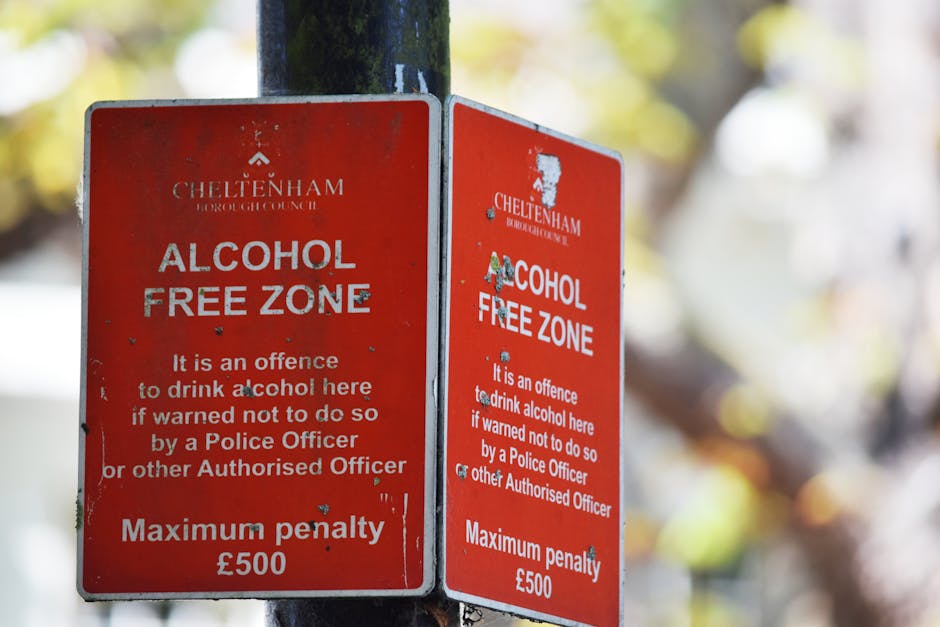
- Read the street signs carefully. Look for loading restrictions, permit-only bays, pay-and-display areas, and time limits.
- Measure the vehicle against the space. A compact van and a larger removal truck are not interchangeable. Not even close.
- Estimate loading time honestly. Add extra minutes for stairs, lifts, fragile items, and parking distance.
- Confirm permit needs early. If the street looks restricted, assume you may need to arrange something before move day.
- Tell your removal team in advance. If you are using house removals or local removals, the crew should know exactly where they can stop.
- Prepare a fallback plan. If the best spot is taken, decide in advance where the vehicle can legally wait.
- Keep documents and contact details handy. That includes booking confirmations, building access notes, and any parking permission paperwork.
On the day itself, arrive a little early if you can. Morning streets in Haringey can feel quiet and then suddenly busy within minutes. A van that reaches the road just before a school run or delivery rush is in a completely different world from one that arrives twenty minutes earlier. Timing, honestly, is half the game.
One useful habit is to treat the parking decision as part of the quote, not a separate afterthought. When you request pricing and quotes, be clear about access, vehicle size, and whether parking is tight. That helps the mover plan sensibly rather than promising the impossible.
Expert Tips for Better Results
After enough moves, a few patterns become obvious. The ones below are the details people often miss, but they make a proper difference.
- Photograph the parking signs. If there is any uncertainty, a quick photo helps you check the wording later.
- Use the smallest suitable vehicle. A large van is not always the smartest choice if the road is cramped.
- Protect the loading zone. If a building manager or neighbour has agreed to keep space clear, keep communication polite and simple.
- Stack items for fast access. Put the first-load boxes near the exit so the vehicle can be turned around quickly.
- Leave room for delays. One extra ten-minute buffer can save the whole day from feeling rushed.
- Think about weather. Rain, sleet, or a damp staircase can slow loading more than people expect. London weather, being London weather, rarely reads the plan.
If you are moving furniture that will not be used straight away, consider placing it into furniture storage rather than keeping it on the street while you figure out parking and access. For fragile or expensive items, secure storage can feel like a calmer option.
Another quiet win is using packing services if your schedule is already tight. Neatly packed boxes load faster, which means less time parked and less risk of overrun. That may sound obvious, yet people often underestimate just how much time packing quality saves.
Common Mistakes to Avoid
The biggest mistakes are usually not dramatic. They are small oversights that snowball. Here are the ones worth watching.
- Assuming parking is fine because others do it. A neighbour's van stopping somewhere does not mean your move is covered.
- Forgetting to check the whole street. One end of a road may allow loading while another end does not.
- Leaving permit arrangements too late. Last-minute fixes often mean stress, compromise, or paying more for a second-best setup.
- Choosing the wrong vehicle size. Too large and you may struggle to stop legally; too small and you may need multiple trips.
- Not sharing access details with the removal team. Stairs, lifts, gates, and road width all matter.
- Ignoring time limits. A move that runs over can create awkward pressure, especially where enforcement is active.
There is also the classic mistake of underestimating how long a property handover takes. Keys are late, the lift is busy, someone cannot find the back gate key, and suddenly the parked vehicle is still there when it really should have moved on. It happens. More often than people like to admit.
If your move is small but awkward, small removals can be a more suitable fit than a larger service. And if you are only shifting a few items for a few weeks, short-term storage can stop you cramming everything into one highly stressful parking window.
Tools, Resources and Recommendations
You do not need fancy kit to handle this well. A straightforward toolkit is usually enough.
- Phone camera for capturing signs, bay markings, and street layout.
- Notes app or checklist for recording access times, vehicle size, and contact names.
- Floor plan or room list so loading order is clear.
- Measuring tape if you are checking whether furniture will fit through doors or into the van.
- Printed move-day instructions for anyone helping on the day.
For service planning, the most helpful website pages are often the ones that support the move rather than the parking itself. If you want a broader picture of the company and how it handles customer care, about us can help with context, while insurance and safety is useful when you want reassurance around handling and protection. If you are comparing options, removals is a sensible starting point, and self storage can be useful when the move needs a little breathing space.
For people who want a cleaner, lower-stress transition, removals and storage is often the neatest route. It reduces pressure on the parking window and gives you more control over the pace of the move. That control is worth a lot on a busy street.
Law, Compliance, Standards, or Best Practice
This is one of those topics where careful wording matters. Parking and removals sit inside local traffic rules, council-controlled parking arrangements, property access rules, and general road safety expectations. The exact Haringey council parking permit rules for removals can vary by location and by street restrictions, so it is wise not to assume one universal answer.
As best practice, treat the following as non-negotiable:
- Do not obstruct traffic or pavements. Keep access safe for pedestrians, neighbours, and emergency use.
- Respect bay conditions and time limits. If a space is loading-only, resident-only, or time-restricted, take that seriously.
- Keep evidence of permission. If a permit or dispensation has been arranged, keep a copy available on the day.
- Plan for vehicle type and duration. What works for a small van may not work for a larger removals lorry.
- Coordinate with building rules. Flats, estates, and managed properties may have their own access procedures on top of street rules.
From a risk perspective, the key is not to guess. If the street looks constrained, confirm the parking arrangement well before the move. That is especially important for office removals or time-sensitive jobs where delays can affect more than one person's schedule.
Practical takeaway: Safe, lawful parking is part of the removal service, not a side issue. When it is handled properly, the move feels calmer and more professional straight away.
Options, Methods, or Comparison Table
Different moves need different parking approaches. Here is a simple comparison to help you think through the options.
| Approach | Best for | Pros | Watch-outs |
|---|---|---|---|
| Short kerbside loading | Very small moves, quick collections | Fast, simple, minimal handling | Often too limited for larger jobs |
| Permit or dispensation-based parking | Moves in controlled or restricted streets | More certainty, better access, less risk of issues | Needs advance planning and accurate details |
| Nearby legal parking with longer carry distance | Flexible jobs where no closer space is available | Can be used when streets are tight | Slower, more labour, more physical effort |
| Split move with storage | Staged house moves or office transitions | Reduces same-day pressure and parking time | Requires two stages and careful coordination |
In many real moves, the best choice is not one method alone but a combination. For instance, a family might use a small van for the first load, then transfer the rest into household storage before completing the move later. That approach can be especially handy where the street is awkward and the property access is slow.
Case Study or Real-World Example
Here is a realistic scenario. A couple moving from a second-floor flat in Haringey had only on-street parking available. The road was narrow, the lift was small, and they were trying to move out before noon. On paper, it looked straightforward. In reality, the van could not just stop anywhere, and the nearest obvious space was already being used by residents returning from school drop-off.
Instead of pushing ahead and hoping for the best, they checked the street signs, adjusted the plan, and agreed to use a smaller vehicle with a tighter loading schedule. They also moved a few non-essential boxes into storage the day before, which reduced the number of trips from the flat. The whole thing still took effort, of course. Moving always does. But it stayed orderly, and nobody spent the morning apologising to frustrated neighbours.
That is really the point. Good parking planning is not glamorous. Nobody puts "sorted the parking" on a postcard. Yet it is one of the clearest ways to make a move feel controlled rather than messy.
If you are planning something similar, a combination of flat removals and long-term storage may be the safer, less crowded option, especially if you are between homes or staging the move in phases.
Practical Checklist
Use this checklist the day before the move. It keeps the important bits in one place.
- Check the parking signs on both sides of the street.
- Confirm the exact loading point for the vehicle.
- Know the size and type of van or lorry being used.
- Agree the expected arrival time and loading window.
- Keep any parking permission confirmation ready.
- Tell the mover about stairs, lifts, and access gates.
- Move fragile or high-value items separately if needed.
- Prepare a backup parking option nearby.
- Make sure boxes are labelled for fast loading.
- Keep neighbours or building contacts informed if appropriate.
Useful last check: if you are unsure about space, stop and plan. A minute of thought beats twenty minutes of backtracking. Every time.
Conclusion
Haringey council parking permit rules for removals may not be the most exciting part of your move, but they are one of the most useful to get right. A sensible parking plan protects your time, your belongings, your helpers, and everyone else using the street. It also helps the day feel calmer, which is half the battle in London moving logistics.
The best approach is simple: check the street, confirm the access, match the vehicle to the job, and give yourself enough time to breathe. If you can do that, the move usually feels much more manageable. Not perfect. Few moves are. But manageable, yes.
If you are still weighing up your options, it may help to explore practical support for your move, storage, or packing before the pressure builds. A little preparation now often saves a lot of stress later.
Get a free quote today and see how much you can save.
Frequently Asked Questions
Do I need a parking permit for removals in Haringey?
Not always, but you should never assume parking will be fine by default. It depends on the street, the bay type, the vehicle, and how long the van needs to stay. If the area is restricted, you may need advance permission or another arrangement.
Can a removals van stop in a resident permit bay?
Sometimes short loading may be tolerated in certain situations, but it is not safe to assume that. Read the signage and confirm whether the space allows loading, waiting, or permit-holder parking only. When in doubt, plan for a lawful alternative.
How far in advance should I sort parking for a move?
The earlier the better. For a simple local move, a few days may be enough to plan properly. For a more complex street, flat move, or office relocation, build in more time so you can avoid last-minute pressure.
What happens if the van cannot park close to my property?
The crew may need to carry items further, which slows everything down and increases the physical workload. It can still work, but it is better to know that in advance so the vehicle size, crew size, and schedule can be adjusted.
Are small removals easier to manage in restricted streets?
Yes, often they are. A smaller vehicle is usually easier to place legally and can be more practical on narrow Haringey streets. That said, you still need to check the signs and access carefully.
Can I combine storage with removals to reduce parking pressure?
Absolutely. Staging part of the move into storage can reduce the amount loaded on the day and make the parking window shorter. Services such as removals and storage or short-term storage can be very helpful for that.
What should I tell my removal company before move day?
Give them the full access picture: road width, parking restrictions, floor level, lift access, any gate codes, and whether there is a realistic place to stop. The more accurate the information, the smoother the job.
Do office moves need different parking planning from house moves?
Often yes. Office moves may involve larger items, multiple deliveries, stricter timings, and more coordination with building management. Parking needs to fit the business schedule as well as the vehicle.
What if I am moving from a flat with no lift?
Allow extra time and make sure the vehicle is parked as close and as legally as possible. Flat moves can take longer than people expect, especially with heavier furniture or boxed items. Good planning really matters here.
Is it worth using packing services if parking is tight?
Usually, yes. Well-packed items load faster and more safely, which reduces time spent parked and carrying. It is one of those support services that can quietly make the whole day less stressful.
How do I choose between a van, a small removals service, and full removals?
Think about volume, access, and parking. If the job is small and the street is tight, a van or small removals service may be enough. If the property is larger or the access is awkward, a fuller removals service with better planning may be the safer choice.
What is the biggest mistake people make with removal parking?
Leaving it too late. People focus on packing, keys, cleaning, and timing, then realise parking is the part they have not properly checked. Once that happens, the day gets harder very quickly. A little planning goes a long way.