Crouch End removals routes and local tips
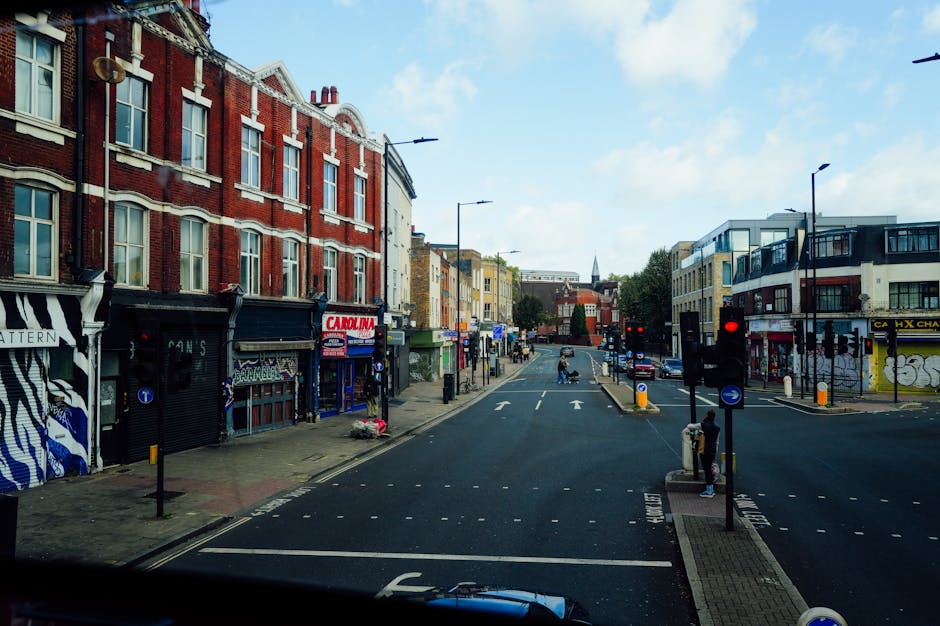
If you are planning a move in Crouch End, the route matters almost as much as the packing. Narrow residential streets, parked cars, school runs, bus corridors, and the odd impatient double-parked van can turn a simple job into a slow crawl. The good news? With the right planning, Crouch End removals routes and local tips can save time, reduce stress, and make moving day feel far more manageable.
This guide breaks down how local access works, which route choices usually make sense, where delays tend to happen, and what practical steps help most on the day. Whether you are moving from a flat off the Broadway, a family home near the parks, or a top-floor property that tests everyone's patience, you will find straightforward advice here. Nothing fancy. Just the kind of detail that helps you avoid the usual headaches.
Why Crouch End removals routes and local tips Matters
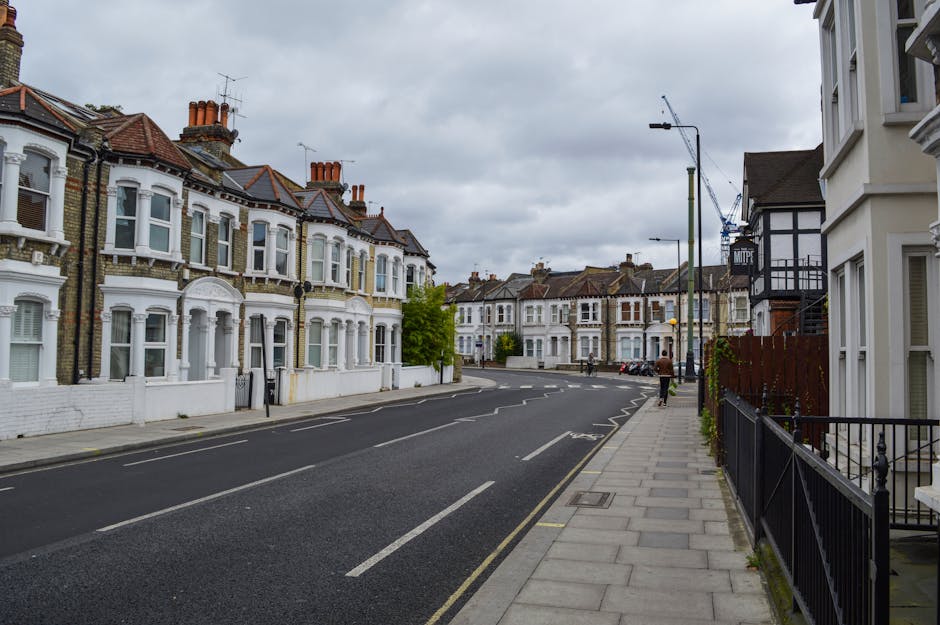
Crouch End has a character of its own, and that character shows up fast on moving day. Streets around the village centre can feel tight even in a small car, let alone a long-wheelbase van with furniture on board. Add delivery vans, school traffic, cyclists, and the occasional roadworks cone, and you can see why route planning is not just a nice extra. It is the bit that keeps everything else from wobbling.
For removals, route planning is about more than finding the quickest line on a map. It is about choosing roads that are realistically passable, identifying where a van can stop without causing chaos, and working out how your belongings will actually move from door to vehicle. That includes the final twenty metres. Honestly, those last twenty metres are where many moves get messy.
Local tips matter because Crouch End is not a place where you want to improvise. You want to know whether the street outside your building has room for loading, whether parking restrictions could slow the job, and whether a quieter side road will make the difference between a smooth start and a blocked-off morning. If you are using a man and van service, or arranging a larger move through removals support, route awareness becomes even more useful.
Practical summary: in Crouch End, the best removal route is usually not the shortest route on paper. It is the route that gives your vehicle space, avoids avoidable delays, and leaves enough flexibility for parking, loading, and those small surprises that always seem to turn up on moving day.
How Crouch End removals routes and local tips Works
The basic process is simple, but the detail makes the difference. First, you assess the property and the surrounding streets. Then you decide where the vehicle can stop, how far items will need to be carried, and whether you need extra help for bulky furniture, stairs, or awkward access. After that, you build a route plan around real street conditions rather than pure distance.
In practical terms, that usually means checking for three things:
- Access: can a van reach the address without turning the day into a three-point-turn saga?
- Loading space: is there a legal and safe place to pause while items are moved?
- Timing: are there peak-hour bottlenecks, school traffic, or resident parking pressures to work around?
A local move often runs more smoothly when you treat the property like a small logistics puzzle. For example, a ground-floor flat near a busy stretch might still be easier than a house on a quieter road with no realistic stopping space. Streets can be deceptive like that. A short route on the map can become the slowest job of the day.
If you are combining moving and storage, it helps to think about the flow of the entire journey. Some people use removals and storage to stage possessions, while others prefer short-term storage during a gap between properties. Either way, the route plan should match the order in which your belongings are being handled.
One more thing: Crouch End routes are often best planned with some breathing room. A schedule that looks tight on paper can unravel fast if a delivery lorry is blocking the road, a neighbour is moving bins, or the lift in your building decides it has had enough for the day.
Key Benefits and Practical Advantages
Good route planning gives you advantages that are easy to overlook until something goes wrong. The biggest one is time. Not the glamorous kind of time-saving, just the very real kind where you are not standing around wondering why the van is still a street away from the front door.
There is also less physical strain. Shorter carrying distances mean fewer heavy lifts, fewer chances of scrapes and dings, and less fatigue for everyone involved. That matters especially if you are moving furniture, white goods, or awkwardly shaped items that always seem to twist at the worst angle.
Other clear benefits include:
- Better parking decisions: reducing the risk of fines, complaints, or wasted loading time.
- Lower stress: the day feels structured rather than reactive.
- Fewer delays: you are less likely to be caught by traffic pinch points or awkward turning areas.
- Safer handling: fewer hurried moves usually means fewer accidents.
- Improved cost control: when time is used well, labour and vehicle hours tend to be used better too.
There is a quieter benefit as well: good planning gives you confidence. That sounds small, but it changes the atmosphere of the day. People lift better, communicate better, and make fewer silly mistakes when they are not already frazzled. Truth be told, a calm move is often a safer move.
Who This Is For and When It Makes Sense
This topic is relevant to almost anyone moving in or around Crouch End, but some people benefit more than others. If your property has limited access, if you are moving on a busy weekend, or if you are dealing with larger furniture, route planning becomes especially important. The same is true if you are moving with children, juggling work, or trying to fit everything into one compressed day.
It is particularly useful for:
- Flat movers: especially where stairs, shared entrances, or restricted parking are involved.
- Families: when timing, school runs, and a lot of boxes all collide at once.
- Students: if the move is smaller but still needs a tight schedule and easy access to transport.
- Businesses: where equipment, files, or office furniture need reliable handling and a clean handover.
- People using storage: if belongings are being split between the new property and a storage unit.
If you are planning a smaller move, a small removals option may be enough. If you are moving a larger household or want a more managed approach, house removals or even flat removals can suit different access challenges. The right choice is usually less about prestige and more about fit. Simple as that.
It also makes sense if you are doing a mixed move, such as a partial house clearance, a new tenancy, or a staggered relocation where not everything travels at once. In those cases, route planning helps the whole operation feel less like a juggling act.
Step-by-Step Guidance
Here is a sensible way to plan removals routes in Crouch End without overcomplicating it. No theatre. Just a practical sequence that works.
- Map the property access. Note the number of steps, lift availability, doorway width, and any awkward corners. A sofa can be forgiving; a wardrobe less so.
- Check the street context. Look at nearby parking controls, one-way arrangements, width restrictions, and any obvious pinch points around your address.
- Think about timing. School-run periods, commuter traffic, and weekend visitor parking can all affect how easily a vehicle can stop.
- Decide the best loading point. Often the ideal spot is not directly outside the door, but a few seconds' walk away where the van can remain legally and safely positioned.
- Prioritise the order of loading. Put bulky or essential items in a sequence that matches the route and the layout of the destination property.
- Prepare a fallback option. If the first parking idea is blocked, know where the second one is. That tiny bit of flexibility can save the day.
A useful practical trick is to walk the route yourself before moving day if you can. Standing on the pavement and looking at sightlines tells you more than a map ever will. You may notice a tight bend, a low-hanging tree, or a road that feels fine for a car but not ideal for a van. Little things. But they matter.
For larger or business moves, route planning should also sit alongside packing and access timing. Services such as office removals or packing services can help if you want a more structured approach. And if your items need a safe stop before delivery, secure storage may take some pressure off the main move.
Expert Tips for Better Results
Local know-how can save you from a surprising amount of friction. Here are the habits that tend to make the biggest difference in Crouch End.
- Start earlier than you think. Not absurdly early, just enough to avoid the feeling that the clock is sitting on your shoulder.
- Keep boxes grouped by room. It makes unloading faster and reduces the need to keep moving items around at the kerbside.
- Use clear labels. Mark fragile items, urgent essentials, and which floor or room each box belongs to.
- Protect high-risk items first. Mirrors, artwork, and electronics are easier to look after before the van is full.
- Plan for short carries. If parking directly outside is unrealistic, accept it early and work with it instead of arguing with the street.
- Keep an essentials bag separate. Keys, chargers, documents, medication, snacks, and a kettle's worth of tea supplies. The usual survival kit.
There is also value in being a little ruthless. Do you really need to move every item today, or would some things be better stored for a few weeks? If the answer is no, then no. That is where household storage or furniture storage can help reduce the volume on the day. Less volume usually means a cleaner route, fewer lifts, and a calmer finish.
A small but important detail: if you expect rain, pack waterproof covers or blankets near the door. London weather likes to arrive just when you are carrying the mattress out. It has a terrible sense of timing, really.
And if your move involves heavier objects, a well-chosen local service can make a noticeable difference. Local removals support often works best when route knowledge, loading discipline, and practical flexibility come together.
Common Mistakes to Avoid
Most moving problems are not dramatic. They are small, boring, avoidable things. Which is exactly why they keep happening.
- Assuming a van can park anywhere. Even if the street looks fine at 7am, that does not mean it stays fine all day.
- Ignoring stair and doorway dimensions. A lot of stress comes from discovering a sofa will not turn the corner.
- Underestimating carry distance. Fifty metres sounds fine until you are carrying a washing machine and dodging wheelie bins.
- Leaving packing to the last minute. This almost always creates route delays because the loading process becomes chaotic.
- Forgetting neighbours and shared spaces. In tightly packed streets, a bit of courtesy goes a long way.
- Not checking access at both ends. The departure point might be awkward, but the arrival point can be just as tricky.
A particularly common one in Crouch End is failing to plan for the final unload. People think about getting out, not getting in. Then they arrive at a new property and realise the loading bay is awkward, the lift is busy, or the front approach is narrower than expected. Not ideal. Not the end of the world either, but avoidable.
Tools, Resources and Recommendations
You do not need a complicated setup to plan a decent move, but a few simple tools help a lot. A phone map, a notebook, tape measure, labels, furniture covers, and a basic checklist are enough for many local moves. If you are coordinating several people, a shared notes app or message thread can keep timing and access details in one place.
For storage-related moves, it helps to choose the right type of space. Self storage works well if you want flexibility. Mobile self storage can be useful if you want less back-and-forth on moving day. For longer gaps, long-term storage may be a better fit. If you are not sure which is right, think about how often you will need access and how much handling you want to do yourself.
Other useful pages for planning, especially if you want to compare services before booking, include pricing and quotes, insurance and safety, and health and safety policy. They are worth a look if you want a clearer picture of what to expect before the van turns up.
If you are moving office items, documents, or stock rather than household goods, then the route logic stays similar, but the handling priorities change. In that case, business storage or document storage may help you stagger the move with less pressure.
Law, Compliance, Standards, or Best Practice
For most domestic moves, the main compliance issues are practical rather than dramatic. You need to avoid unsafe loading, respect parking and stopping restrictions, and make reasonable efforts to keep people and property safe. In London, that often means being careful with kerbside access, controlled parking zones, and any local restrictions that affect loading windows. Exact rules can vary by street and council, so checking the specifics for your address is always sensible.
Best practice also includes good manual handling. Heavy items should be lifted by suitable numbers of people, using the right equipment where needed, and with a clear path in and out. That is not just common sense; it is how you reduce injuries and damage. If something feels too awkward, it probably is too awkward. Move it differently, or get help.
For removals businesses and customers alike, there is also a strong expectation of care around safety, communication, and clear terms. If a service offers storage, security, or packing support, it should be clear about what is included and what is not. Reading terms carefully may not be thrilling, but it can spare you a headache later.
If sustainability matters to you, it is worth asking how packing waste and unwanted items will be handled. Some customers prefer to reduce landfill by reusing boxes, donating usable furniture, or using a provider that takes recycling seriously. You can learn more on the website's recycling and sustainability page. A tidy move and a less wasteful one can go hand in hand, which is nice for everyone really.
Options, Methods, or Comparison Table
Different moves call for different approaches. The right route and handling method depends on your property type, the size of the load, and how much access you actually have. Here is a simple comparison to help you choose.
| Method | Best for | Strengths | Watch outs |
|---|---|---|---|
| Man and van | Small to medium moves, quick local jobs | Flexible, efficient, good for tighter streets | Less suitable for large household loads unless carefully planned |
| Full removals service | Whole-house or larger flat moves | Better for heavier loads, multiple rooms, and more complex access | Needs more coordination and a fuller booking lead-in |
| Removals plus storage | Staggered moves, gaps between tenancies, downsizing | Creates breathing room and keeps the day from becoming overloaded | Requires extra planning for item sequencing and retrieval |
| Small removals | Studios, single rooms, selective item moves | Simple, cost-conscious, often easier to route through busy streets | May not suit bulky furniture-heavy moves |
If you are unsure which route of service fits, think about volume first, then access, then timing. That order usually gives the clearest answer. And if you still feel uncertain, that is normal. A lot of moving decisions are easier once someone has walked the property and seen the street in person.
Case Study or Real-World Example
Here is a realistic example. A couple moving from a first-floor flat in Crouch End had a sofa, bed frame, several boxes of kitchenware, and two bookcases. The street outside had limited waiting space and enough local traffic that parking directly at the door was unlikely. Rather than hoping for the best, they planned an early morning load, separated the boxes by room, and used a nearby stopping point that allowed a short but manageable carry.
Because the access plan was clear, the move stayed calm. The sofa came out first while the corridor was still empty, the boxes were stacked in the right sequence, and the van wasn't left idling while someone hunted for keys or moved random items around. There was a small delay when a neighbour's delivery appeared, of course. There always is. But because the team had a fallback spot and the load plan was already set, the delay didn't become a problem.
That is the real value of local tips. They do not eliminate every issue. They make issues smaller, less expensive, and easier to absorb. Which, on moving day, is a lovely thing.
For a similar kind of move, many people also compare household storage and student storage when they only want to move part of their belongings at once. It is often the simplest way to avoid crowding the van or rushing the handover.
Practical Checklist
Use this quick checklist before moving day. It is the kind of thing that saves you from last-minute panic and the odd forgotten item in the fridge.
- Confirm the moving date, time, and estimated arrival window.
- Check the parking and loading situation near both addresses.
- Measure large furniture, doorways, stair turns, and lift access.
- Decide whether you need storage before, during, or after the move.
- Label boxes clearly by room and priority.
- Pack an essentials bag with documents, chargers, medication, keys, and snacks.
- Protect fragile items and separate them from general boxes.
- Keep a small amount of cash or payment access available if needed.
- Make sure pets and children have a safe plan for the busiest part of the day.
- Share access notes with anyone helping on the day.
Quick final tip: if you can reduce the number of decisions you need to make on the day, do it. Moving day already asks enough of you.
Conclusion
Crouch End removals routes and local tips are really about one thing: making a local move feel controlled instead of chaotic. The better you understand street access, timing, loading space, and the practical shape of the route, the easier everything else becomes. That is true whether you are moving a small flat, a family house, or a business space with equipment that needs careful handling.
Take the time to plan the route properly, keep your load organised, and leave room for the reality of London streets. A little extra thought at the start can save a surprising amount of stress later. And if moving day still feels a bit daunting, that is fair enough. It usually does.
Get a free quote today and see how much you can save.
With the right local approach, your move can feel less like a scramble and more like a well-run handover. That's the goal, really - calm streets, clear steps, and a fresh start that lands gently.
Frequently Asked Questions
What is the best route strategy for removals in Crouch End?
The best strategy is usually the one that prioritises access over raw distance. A slightly longer route with easier loading, safer stopping, and fewer traffic bottlenecks is often better than the shortest route on a map.
Do I need to plan parking before a Crouch End move?
Yes, if you can. Parking and loading space can be the difference between a smooth job and a frustrating delay. It is wise to check both the collection and delivery addresses in advance.
Are smaller vehicles better for Crouch End removals?
Sometimes, yes. Smaller vehicles can be easier to position on tighter streets and may be more practical for short local moves. Bigger vehicles can still work, but they need more careful access planning.
How early should I start planning the route?
As early as possible. Even a basic walk-through a few days before can reveal issues with access, parking, or turning space. If your move is larger, give yourself more time.
What if there is no space directly outside my property?
That is common in built-up parts of London. The solution is usually to identify a legal stopping point nearby and plan for a short carry. It is not ideal, but it is manageable with good preparation.
Can storage help if the route is awkward?
Absolutely. Storage can reduce the volume moving through the street at one time, which makes loading more flexible. It is particularly helpful if you are downsizing or moving in stages.
What should I do about bulky furniture?
Measure it properly, check the route it needs to take through the property, and make sure enough people are available to move it safely. If needed, consider dismantling items in advance.
Is a man and van service enough for a Crouch End flat move?
Often yes, especially for smaller flats or lighter loads. For larger flats, awkward access, or more furniture, a fuller removals service may be the better fit.
How do I reduce delays on moving day?
Pack early, label clearly, prepare an essentials bag, and make sure the van can load without unnecessary shuffling. Clear communication helps too. A lot, actually.
What are the biggest route-related mistakes people make?
The biggest mistakes are assuming parking will be easy, ignoring local restrictions, and not checking the unloading side of the move. The second property matters just as much as the first.
Should I choose removals and storage together?
If your move is staggered, if your new place is not ready yet, or if you want to reduce pressure on the day, then yes, it can be a smart option. It gives you more flexibility and less time pressure.
Where can I find more details about service options and policies?
You can review the site's pages on about us, terms and conditions, and contact us for more context on services, expectations, and next steps.